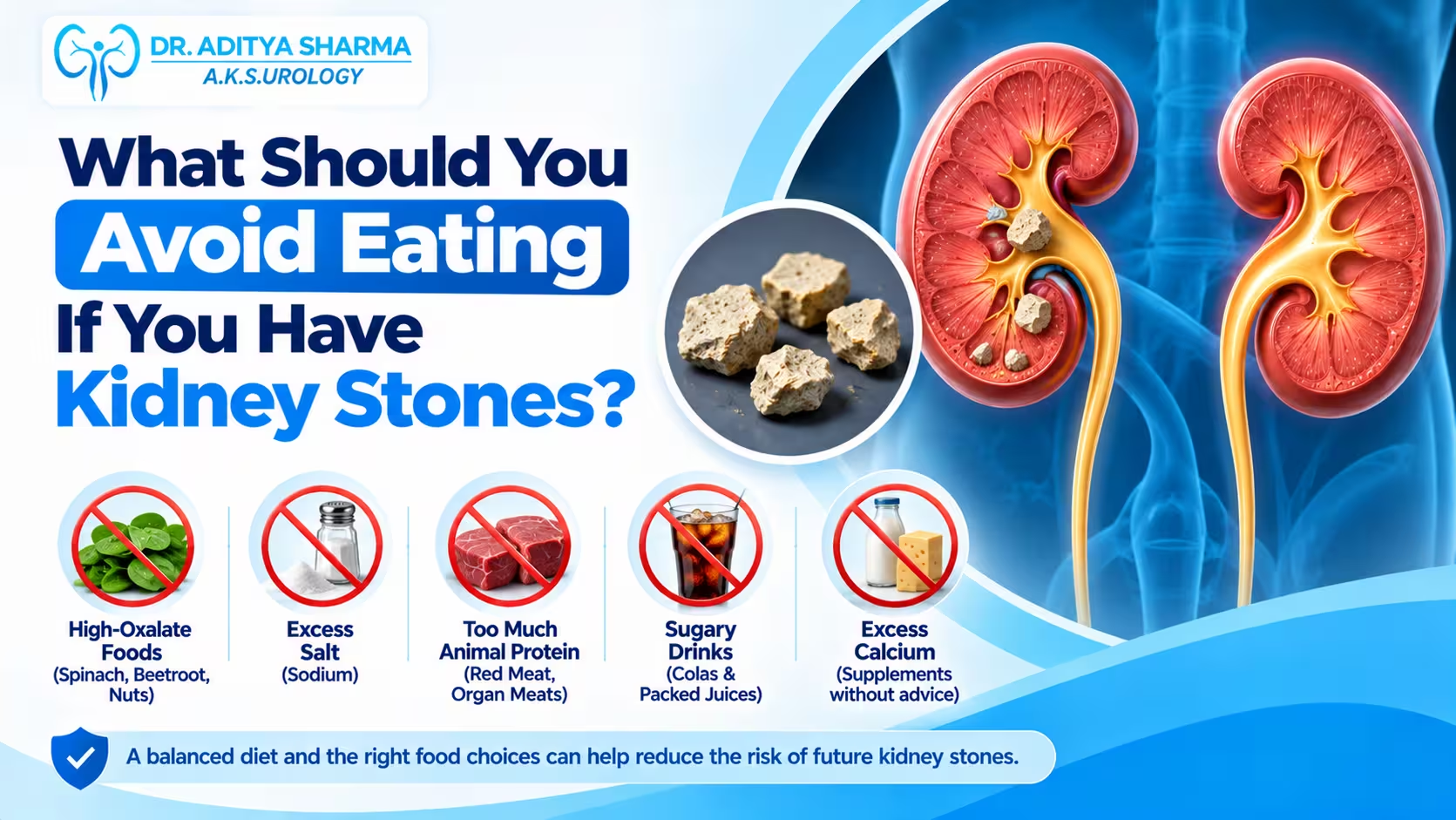
To help prevent kidney stones, limit high-sodium foods, sugary drinks, excess animal protein, and high-oxalate items - especially if you are prone to calcium oxalate stones. Exact restrictions depend on your specific stone type, which a doctor can confirm through stone analysis or urine tests.
Foods to Avoid or Limit If You Have Kidney Stones
A diet for kidney stones does not necessarily mean abandoning all your favorite foods. For the majority of people, the idea is to cut back on the foods which increase the risks of developing kidney stones.
1. Spinach and Other High-Oxalate Foods
Oxalate is a compound naturally occurring in several types of foods. High levels of oxalate in urine result in calcium oxalate stone formation when the compound binds with calcium. Calcium oxalate is one of the most common kinds of kidney stones.
The following foods contain high levels of oxalate:
- Spinach
- Beetroot
- Nuts such as almonds and peanuts
- Chocolate
- Rhubarb
- Wheat bran
If you suffer from calcium oxalate kidney stones, you will have to decrease the consumption of these products. You do not have to avoid all foods with oxalate at once.
2. Salty and Packaged Foods
Consumption of excess salt increases the secretion of calcium in the urine by the kidneys, thereby raising the probability of calcium stones.
Pickles, papads, namkeens, chips, instant noodles, sauce, and ready-to-eat items contain more salt than is generally known. Sometimes even restaurant meals contain high amounts of salt.
Reduced use of salt while cooking and minimizing the intake of processed food can avoid the risk.
3. Too Much Red Meat and Animal Protein
Chicken, fish, eggs, and meats are rich in protein, but consuming high quantities can increase the likelihood of developing some kinds of kidney stones. Red meats, meats derived from organs like liver, and some kinds of seafood can cause an increase in the production of uric acid in the body.
These factors are particularly crucial in individuals suffering from uric acid stones since excessive consumption of animal proteins causes decreased citrate in urine, which plays an important role in preventing stone formation.
It is not necessary to cut down on the consumption of protein completely.
4. Sugary Drinks and Soft Drinks
Cola, sweetened fruit juices, energy drinks, and other drinks with added sugar are not good everyday choices for people who develop kidney stones.
Drinks containing large amounts of added sugar, especially fructose, may increase the risk of stone formation. Cola drinks may also contain phosphoric acid, which has been linked with kidney stone risk.
Plain water is a better choice. Lemon water without added sugar can also be included if it suits the person's health.
5. Too Much Chocolate and Nuts
Oxalate is found in tea, chocolate, and some nuts. Taking them in excessive quantities is not good for individuals who have calcium oxalate stones.
Not all kidney stone patients need to give up their consumption of tea and nuts. It is necessary for these people to consult a physician about the quantity of the same.
6. High-Dose Vitamin C and Calcium Supplements
An excessive intake of vitamin C via supplementation might elevate oxalate in the urine of patients. This, in turn, would lead to an increased risk of the development of calcium oxalate kidney stones in certain patients.
A normal intake of the nutrient via dietary products such as fruits and vegetables should be safe for most people.
Kidney Stone Diet Chart: Foods to Limit and Better Choices
This table gives a simple guide to common foods to avoid with kidney stones and what can be eaten instead.
|
Food |
What can be included |
What to have less often |
|
Vegetables |
Cucumber, cabbage, cauliflower and bottle gourd |
Spinach and beetroot, especially with calcium oxalate stones |
|
Fruits |
Apple, banana, papaya and watermelon |
Packaged fruit juices and sugary drinks |
|
Dairy |
Milk, curd and other calcium-rich foods |
Calcium supplements without a doctor's advice |
|
Protein |
Dal, beans and moderate portions of chicken or fish |
Large portions of red meat and organ meat |
|
Snacks |
Homemade snacks with less salt |
Chips, namkeen, pickles and packaged snacks |
|
Drinks |
Water throughout the day |
Sugary soft drinks and energy drinks |
The table is a general guide. A person with uric acid stones may need different changes from someone with calcium oxalate stones.
What Can You Eat If You Have Kidney Stones?
The kidney stones diet must also provide enough nutrition for the body. Over-restricting the intake of foods will make the body deficient in protein, calcium, and vitamins.
Some of the ideal kidney stone foods that must be included in the meal include fresh fruits, low oxalate vegetable, whole grain, and regular amount of foods rich in calcium.
In Indian cuisine, some foods that can be taken include roti, rice, a suitable portion of dal, cucumber, cabbage, cauliflower, curd, and fresh fruits, depending on the type of stone and other medical conditions.
Foods such as milk, curd, and paneer are ideal in the diet of most individuals with calcium oxalate stones since the calcium present in the food will bind with the oxalate in the intestine.
Lemon, along with other citrus fruits, is rich in citrate and might help in preventing stone formation. However, lemon water is not useful in dissolving a kidney stone.
Does the Diet Change for Different Types of Kidney Stones?
Yes. Two people with kidney stones may need different food advice because their stones are made of different substances.
|
Type of kidney stone |
Food changes that may help |
|
Calcium oxalate stones |
Limit very high-oxalate foods, reduce salt, and get enough calcium from food |
|
Uric acid stones |
Cut down on red meat, organ meat, certain seafood, and sugary drinks |
|
Calcium phosphate stones |
Reduce salt and follow medical advice based on urine test results |
|
Struvite stones |
Treat the infection causing the stones; food changes alone are not enough |
|
Cystine stones |
Drink enough fluids and follow a specialist's advice on salt and medicines |
A doctor may suggest testing a passed stone or collecting urine over 24 hours to understand why stones keep forming.
How Much Water Should You Drink?
Water is among the major components that help prevent kidney stones. When the body lacks sufficient water, it leads to more concentrated urine, which makes it easier for minerals to crystallize.
Most patients who have had kidney stones are encouraged to consume enough liquids so that the body produces approximately 2.5 liters of urine daily. The volume of water required to achieve this goal may vary depending on weather conditions.
Patients with heart failure, kidney failure, or any other medical condition where fluid intake should be controlled are supposed to consult their doctor.
Can Changing Your Diet Stop Kidney Stones from Coming Back?
Food changes can lower the risk of new stones, but they cannot guarantee that stones will never return.
A person who has had kidney stones more than once may need blood tests, urine tests, and stone analysis. These help the doctor find out whether too much calcium, oxalate, uric acid, or another substance is contributing to the problem.
Some patients also need medicines. Diet changes are helpful, but they do not replace treatment for an existing stone that is causing pain, infection, or urine blockage.
How Can Dr. Aditya K. Sharma Help With Kidney Stone Management?
Dr. Aditya K. Sharma, a Urologist in Lucknow, provides evaluation and treatment for kidney stones and other urological conditions.
For patients with recurrent kidney stones, identifying the stone composition, size, location and underlying metabolic factors can help guide treatment and prevention.
Depending on the clinical findings, treatment may involve dietary modifications, medical management or procedures such as RIRS, Laser URSL, PCNL, Mini PCNL, Mini Perc and Supine PCNL.
A personalised evaluation can help determine which dietary changes and treatment options are appropriate for your condition.
Related Treatments
- RIRS Surgery
- Laser URSL Surgery
- PCNL Surgery
- Mini PCNL Surgery
- Mini Perc Surgery
- Supine PCNL Surgery
Related Articles
- What Causes Erectile Dysfunction in Young Men?
- Can Low Sperm Count Be Increased Naturally?
- Blood in Urine but No Pain: What Could Be the Cause?
- What Causes Kidney Stones? Common Reasons You Should Know
- What Size of Kidney Stone Requires Surgery?
Conclusion
Having kidney stones does not imply that you have to quit eating your favourite foods. The major points of concern include excess sodium intake, beverages rich in sugar content, large quantities of animal proteins, and certain oxalate-rich foods. Diet depends on the kind of stones; thus, it is useless to have a strict diet without knowing the cause.
Dr. Adittya K. Sharma, one of the best urologists in Lucknow, has over 20 years of clinical and surgical experience
Frequently Asked Questions
1. What are the 10 foods that cause kidney stones?
Some people may need to reduce the consumption of these 10 foods: spinach, beetroot, sweet potatoes, peanuts, almonds, chocolate, pickles, papads, red meat, and organ meat. Yet, these are not foods to be avoided entirely. The recommendations depend on the type of kidney stone.
2. What are the foods to avoid with kidney stones?
Excessive salt, animal proteins, sugar-rich drinks, and high-oxalate foods increase the chances of developing kidney stones. It depends on the type of kidney stone and which foods one needs to avoid.
3. Is it okay to eat tomatoes if one has kidney stones?
Yes, there is usually no problem eating tomatoes in normal portions for those with kidney stones. Tomatoes are not among the foods to be restricted in case of calcium oxalate kidney stones. There is no need to exclude them from the diet unless recommended by a physician.
4. Is drinking milk bad for kidney stones?
No. Milk contains calcium, which, when consumed in moderate amounts through your daily meals, can actually help you avoid calcium oxalate stones. Restricting the intake of calcium-containing foods is dangerous, as this increases the risk of certain types of stones.
5. Can I consume rice and roti even if I have kidney stones?
Yes. You can consume rice and roti as part of a healthy diet if you have kidney stones. The amount and type of grain consumed can vary according to the presence of other ailments and conditions.
6. Will changing eating habits help me dissolve my kidney stones?
Most of the time, changes in diet habits alone are not enough to dissolve kidney stones. Certain uric acid stones can be dissolved using medication that makes your urine less acidic.