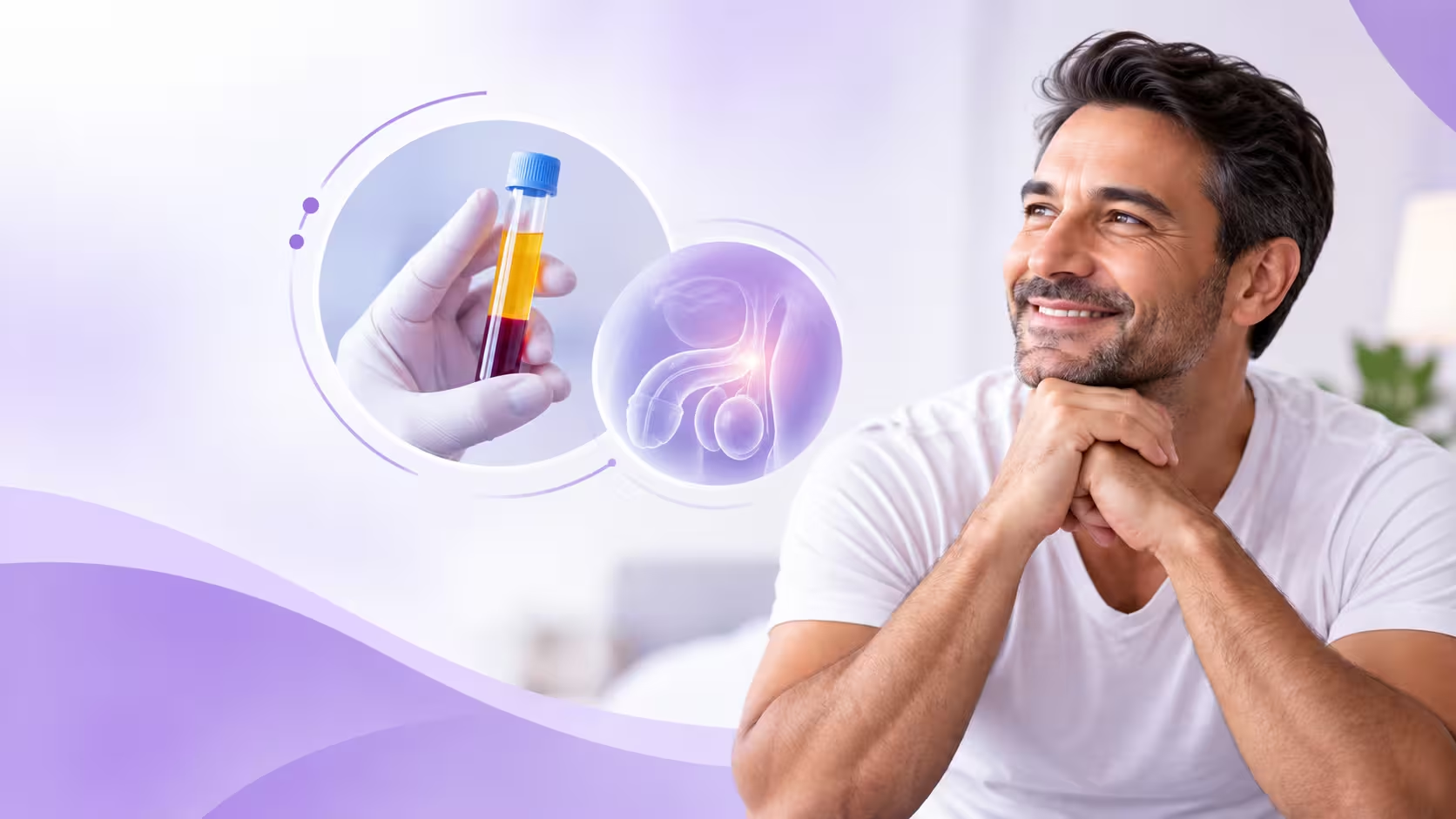
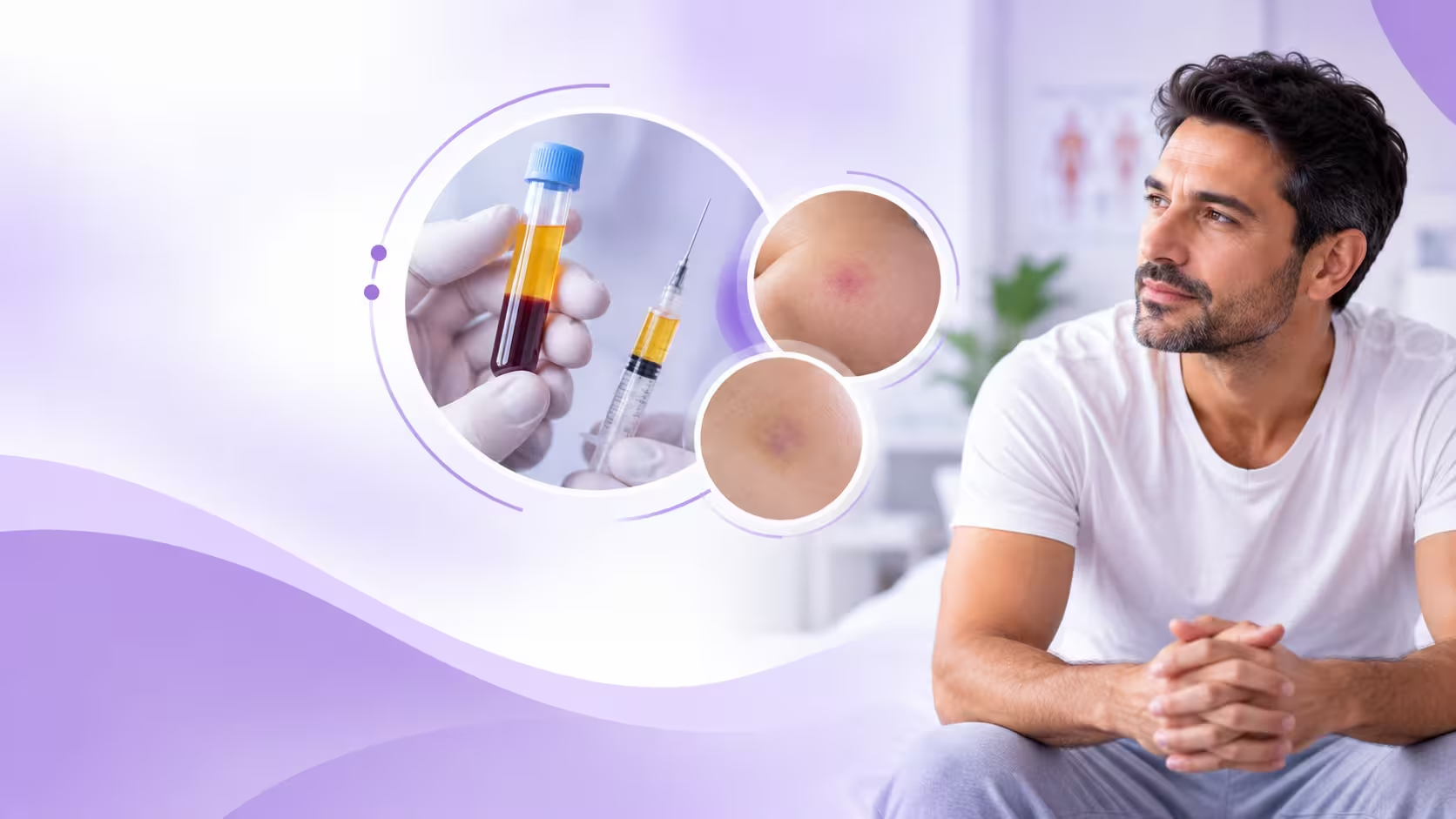
Dr. Aditya K. Sharma offers PRP Therapy for Erectile Dysfunction in Lucknow as a regenerative treatment option for selected men with erectile difficulties. The treatment uses platelet-rich plasma (PRP) prepared from the patient's own blood and injected into specific penile tissues. PRP therapy is being studied for its potential role in supporting tissue health and erectile function. However, results can vary between patients, and PRP is not a guaranteed treatment for erectile dysfunction. A proper urological evaluation is important before deciding whether this treatment is appropriate.
Call NowDr. Aditya K. Sharma is an experienced urologist offering advanced treatment options for erectile dysfunction and men's sexual health in Lucknow.
With 20+ years of clinical experience, Dr. Sharma focuses on understanding the underlying cause of erectile difficulties before recommending treatment. Depending on the patient's condition, treatment may include lifestyle modification, medicines, counselling, established ED therapies, or regenerative approaches such as PRP therapy.
His approach focuses on appropriate patient selection, careful evaluation and confidential, personalized care.
PRP therapy uses platelet-rich plasma obtained from the patient's own blood.
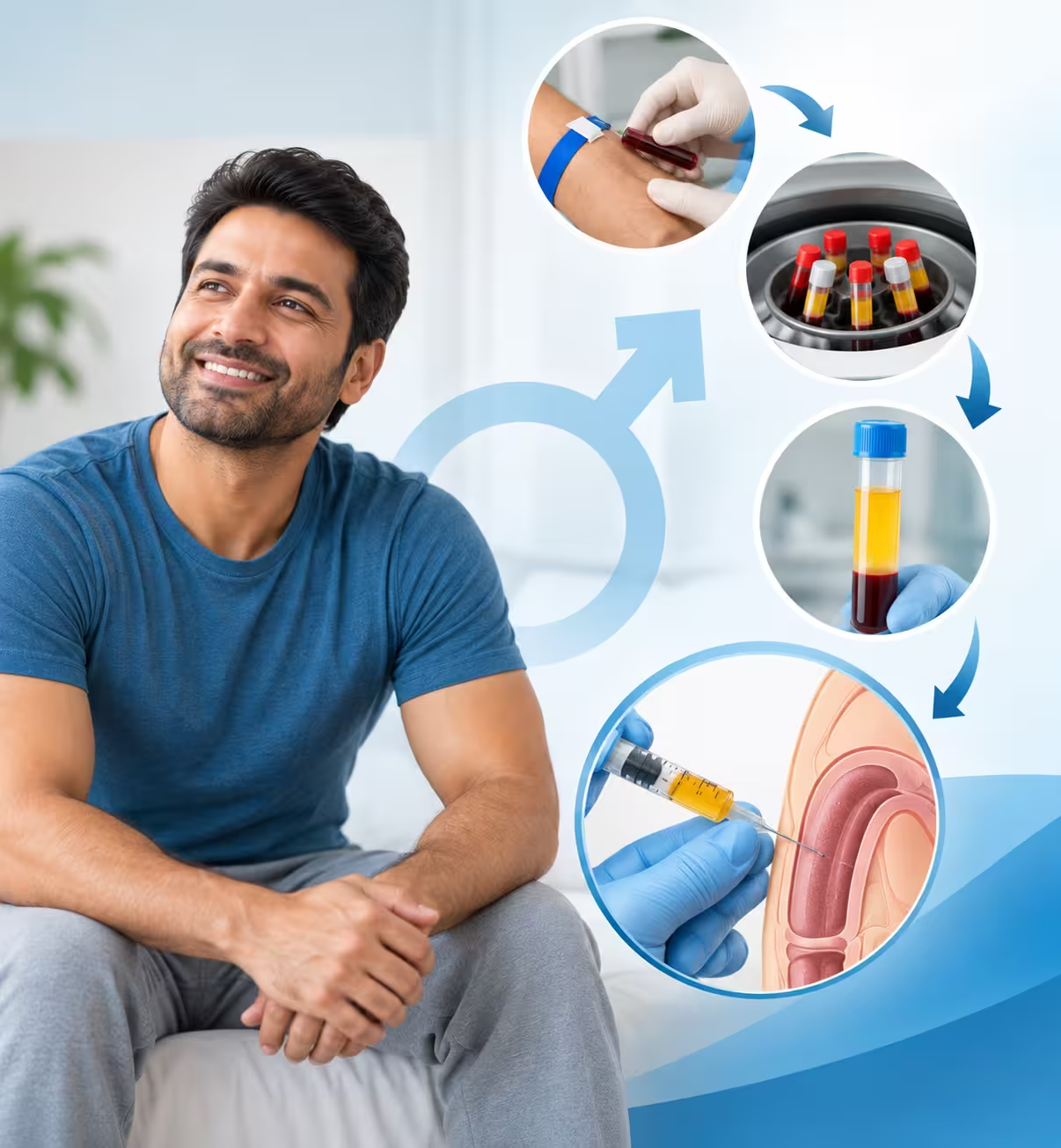
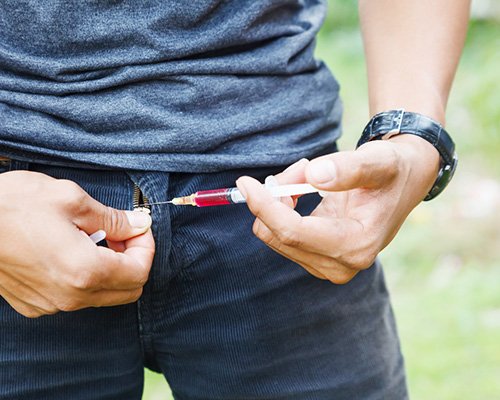
During the procedure, a small quantity of blood is collected and processed to concentrate platelets and other components. The prepared PRP may then be injected into selected areas of the penile tissue.
PRP contains biological substances involved in tissue repair and healing. Researchers are studying whether these properties may help support erectile function in some men.
However, current evidence is still developing. Major medical sources note that there is not yet enough research to establish PRP as a proven or universally effective treatment for erectile dysfunction.
PRP therapy may be discussed with men who have erectile dysfunction after a detailed evaluation of their symptoms and underlying health.
PRP should not automatically replace established treatments for erectile dysfunction. The appropriate treatment depends on the cause of ED and the patient's individual circumstances.
PRP treatment is generally performed as an outpatient procedure.
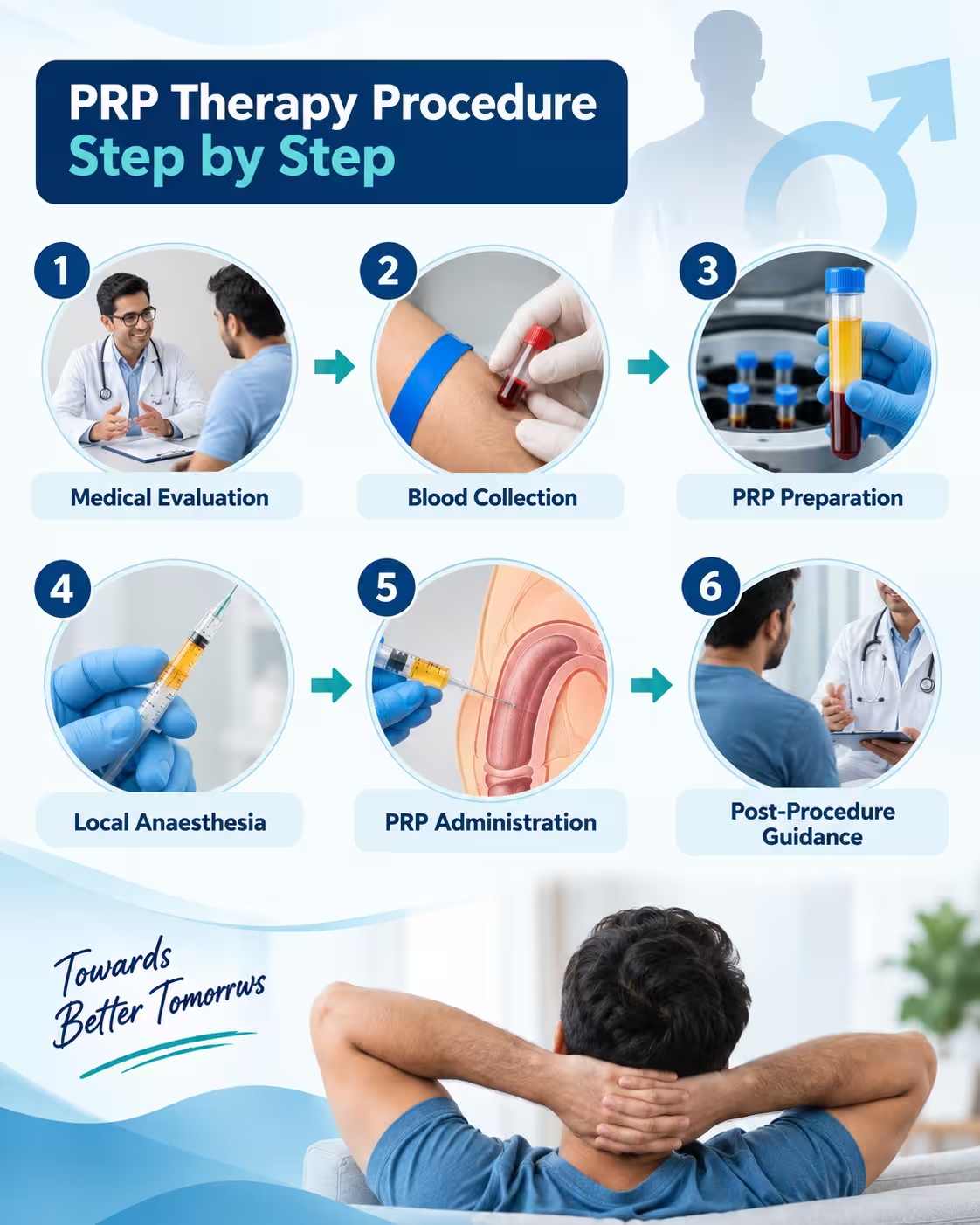
The doctor first evaluates the patient's erectile dysfunction and medical history to determine whether PRP is an appropriate option.
A small amount of blood is collected from the patient.
The blood is processed using a centrifugation or preparation system to separate and concentrate the platelet-rich component.
A local anaesthetic may be used to reduce discomfort during the injection procedure.
The prepared PRP is carefully administered into selected areas according to the treating doctor's clinical protocol.
The patient receives instructions regarding activity, medications and follow-up.
The exact preparation method, injection technique and treatment plan may vary depending on the doctor, equipment and individual patient.
PRP therapy is being investigated as a regenerative approach to erectile dysfunction. Potentially relevant areas of interest include tissue healing and vascular function, but clinical benefits are not guaranteed and more high-quality research is needed.
Important: PRP therapy should not be promoted as a guaranteed way to restore erections or permanently cure erectile dysfunction.
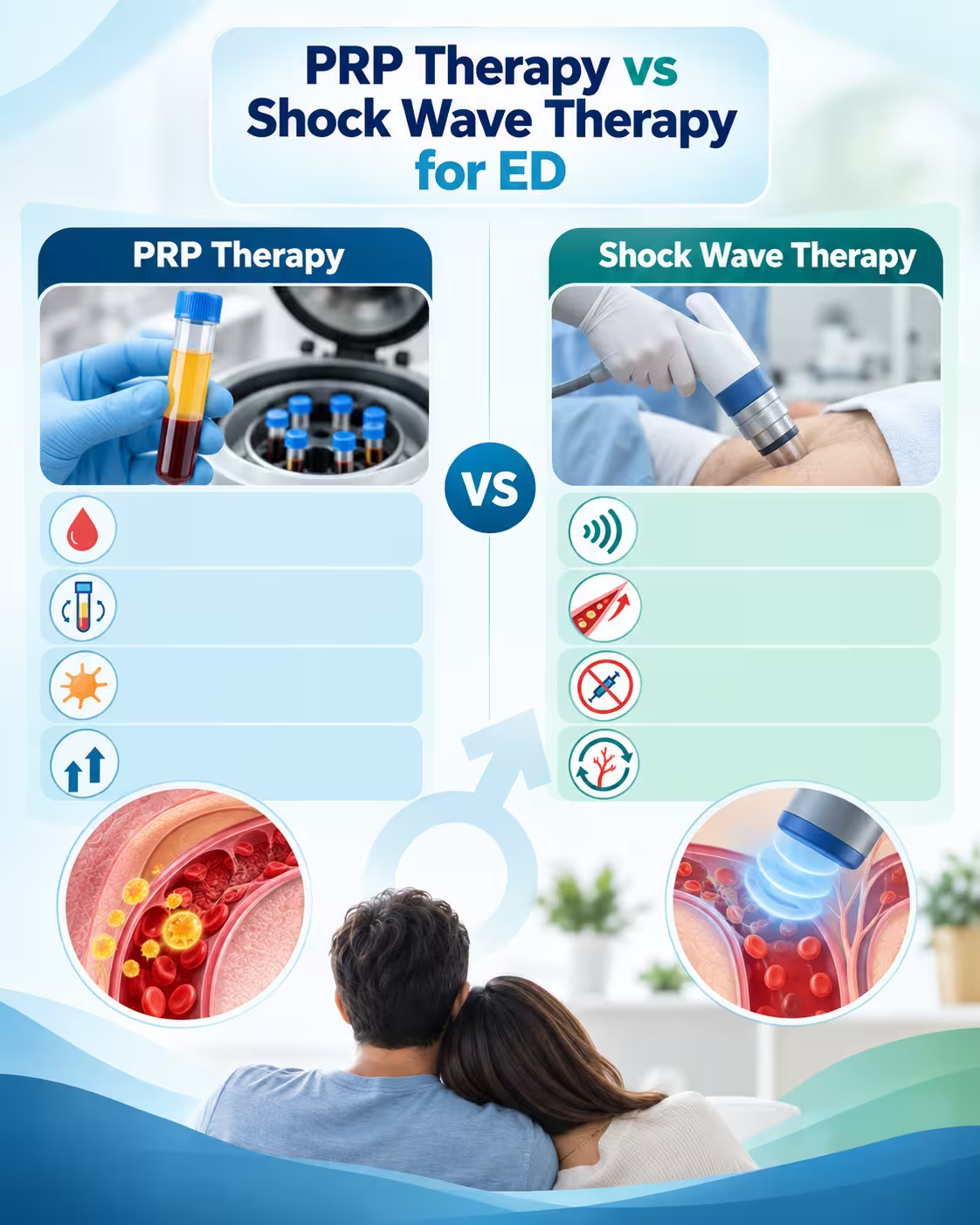
PRP therapy and low-intensity shock wave therapy are different treatment approaches that may be discussed for erectile dysfunction.
| PRP Therapy | Shock Wave Therapy |
|---|---|
| Uses platelet-rich plasma from the patient's blood | Uses acoustic waves |
| Involves injections | Non-invasive energy-based treatment |
| PRP is administered into selected tissues | Energy is applied to targeted areas |
| Research is ongoing | Evidence and indications depend on the specific protocol |
| Requires individual medical assessment | Requires individual medical assessment |
The appropriate option depends on the cause of erectile dysfunction, medical history and treatment goals.
A urologist can explain whether either approach is appropriate or whether an established ED treatment would be more suitable.
PRP therapy and penile fillers have different purposes.
PRP therapy involves the use of platelet-rich plasma and is being studied for potential effects on penile tissue and erectile function.
Penile fillers are primarily used for cosmetic or structural purposes and are not equivalent to erectile dysfunction treatment.
Therefore, these procedures should not be presented as interchangeable treatments.
PRP therapy is generally performed as an outpatient procedure. Recovery requirements depend on the injection technique and individual patient.
Patients should follow the doctor's post-procedure instructions regarding sexual activity, exercise and other activities.
Although PRP uses the patient's own blood, injections can still have potential risks.
The potential benefits and risks should be discussed with a qualified urologist before treatment.
The effectiveness of PRP therapy for erectile dysfunction is still being investigated.
Some clinical studies have reported possible improvements in erectile-function measures, while other research has produced less encouraging findings. There is currently insufficient evidence to guarantee that PRP will improve erections in every patient.
For this reason, PRP should be discussed as an investigational or emerging treatment option, rather than as a guaranteed cure for erectile dysfunction.
Dr. Aditya K. Sharma can assess the underlying cause of ED and discuss appropriate treatment options based on the patient's condition.
There is no universally established number of PRP sessions for erectile dysfunction.
The number of sessions, if treatment is considered, depends on the individual treatment plan, clinical findings and response to therapy.
Patients should avoid assuming that one specific number of sessions will produce a particular result.
Dr. Aditya K. Sharma provides personalized urological care with a focus on men's sexual and urinary health.
His approach begins with understanding the cause of erectile dysfunction rather than recommending the same treatment to every patient.
FAQs about PRP therapy for erectile dysfunction, safety, effectiveness, sessions and treatment considerations.