RIRS Surgery in Lucknow

Dr Aditya k Sharma in Lucknow performs advanced RIRS (Retrograde Intrarenal Surgery) using FANS RIRS technology to achieve safe and scarless kidney stone removal through non-surgical methods.

Dr Aditya K Sharma The Best RIRS Surgeon in Lucknow

Dr. Aditya K. Sharma is a renowned urologist in Lucknow with over 20 years of clinical experience in urology, uro-oncology, kidney transplant, and minimally invasive stone surgery.

He is highly skilled in performing advanced RIRS and FANS RIRS procedures for safe and scarless kidney stone removal. A Gold Medalist in MBBS with specialised international training, Dr. Sharma combines global medical expertise with a compassionate, patient-focused approach.

He is widely respected for his excellence in complex stone management, reconstructive urology, and comprehensive urinary care for both men and women. Through the use of advanced laser systems and flexible digital scopes, he delivers personalised, evidence-based treatment with high success rates.
Book Your First Consultation

Doctor

Who Needs RIRS Surgery? (Retrograde Intrarenal Surgery)?

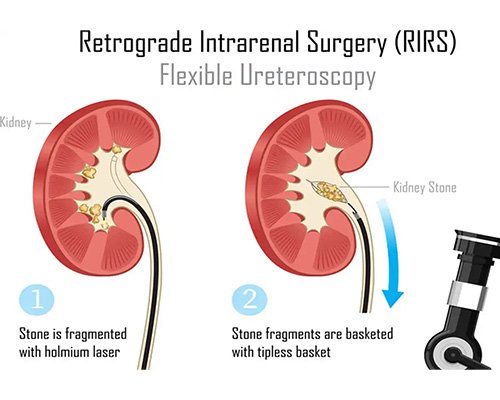
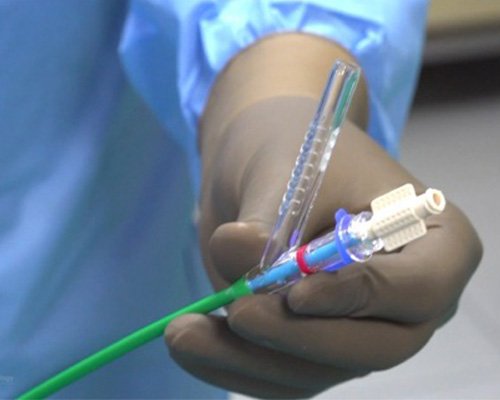
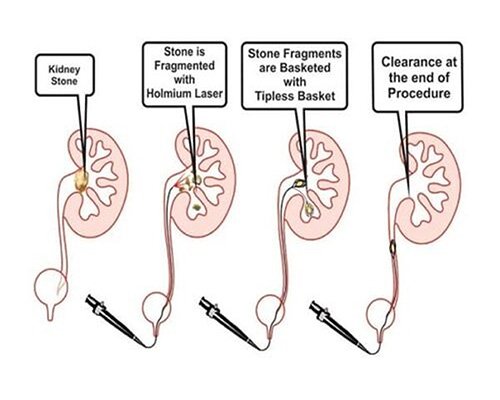
RIRS is a minimally invasive kidney stone removal procedure performed using laser technology through the natural urinary passage. A flexible ureteroscope is passed through the urethra and bladder into the kidney, where a Holmium laser breaks stones into fine fragments that are removed or pass naturally. No cuts or stitches are required, making it a safe and scarless option.

  • Stones up to 2 cm
  • Lower-pole kidney stones
  • Recurrent kidney stones
  • Stones in difficult locations
  • Multiple kidney stones
  • Failed ESWL cases
  • Patients unfit for open surgery
  • Obese patients
  • Patients seeking scarless treatment
  • Stones causing pain or blockage
  • Bilateral kidney stones

Dr Aditya k Sharma uses FANS RIRS technology for complex and difficult-to-reach kidney stones.

What is FANSRIRS?

FANS RIRS (Flexible And Navigable Scope Retrograde Intrarenal Surgery) is an advanced version of standard RIRS that uses ultra-flexible digital scopes for superior access and precise stone treatment. It improves reach, visibility, and laser accuracy, helping achieve better outcomes in complex kidney stone cases.

  • Superior access to lower calyx stones
  • Better scope deflection and flexibility
  • Higher stone clearance in a single session
  • Reduced need for PCNL
  • Greater precision and safety
  • Improved visualisation of stones
  • Better control during laser dusting
  • Effective for complex and large stones
  • Lower chance of residual fragments
  • Shorter operative time
  • Reduced need for repeat procedures
  • Faster recovery for patients

Dr Aditya k Sharma uses FANS RIRS technology for complex and difficult-to-reach kidney stones.

Doctor

Difference Between RIRS and FANS RIRS

Feature Standard RIRS FANS RIRS
Scope flexibility Good Ultra-flexible
Lower pole access Limited Excellent
Stone clearance High Very high
Need for second session Sometimes Rare
Technology Conventional Advanced navigation

Who Needs RIRS Surgery?

RIRS surgery serves as the recommended treatment option for patients who possess kidney stones that their bodies cannot eliminate through natural means and who have not achieved success from both medical treatments and shockwave therapy. The procedure provides particular benefits to patients who desire a treatment method that requires minimal invasion and results in no visible scars while enabling them to recover at an expedited pace. RIRS is suitable for a wide range of stone types and patient profiles, including complex and recurrent cases.

  • Kidney stones 8 mm–20 mm
  • Multiple kidney stones
  • Lower calyx stones
  • Failed ESWL cases
  • Recurrent stone disease
  • Stones in difficult locations
  • Obese patients
  • Patients unfit for PCNL
  • Patients seeking scarless treatment
  • Bilateral kidney stones
  • Stones causing pain or obstruction
  • Patients wanting quick recovery
Doctor
Doctor

RIRS Procedure Step by Step?

RIRS is a safe and minimally invasive laser procedure performed under anesthesia to remove kidney stones through the natural urinary passage. The surgery does not involve any incision or stitches and is completed using advanced endoscopic and laser technology. Most patients are discharged the same day or within 24 hours.

Steps involved in RIRS surgery:

  • General anesthesia is given
  • Flexible ureteroscope passed through urine passage
  • The scope advanced into the kidney
  • Stone visualized on screen
  • Holmium laser fragmentation of stone
  • Stone dusting into fine particles
  • Removal of larger fragments if needed
  • Temporary DJ stent placement
  • Monitoring in the recovery room
  • Same-day or next-day discharge

Benefits of RIRS Surgery

RIRS offers a modern, minimally invasive solution for kidney stone removal with excellent safety and success. The procedure uses the natural urinary passage for execution without making any surgical incisions or requiring stitches. The treatment delivers accurate laser fragmentation while causing very little discomfort to patients who can resume their normal activities within a short time.

Key benefits of RIRS surgery include:

  • No cut, no scar
  • Painless laser treatment
  • No blood loss
  • Faster recovery
  • One-day hospital stay
  • High success rate
  • Safe for both kidneys
  • Ideal for working professionals
  • Minimal risk of infection
  • Short operative time
  • Lower chance of complications
  • Quick return to daily activities
Doctor
Doctor

Recovery After RIRS

The recovery process following RIRS maintains a fast and easy path because the procedure requires minimal invasion and results in no visible scars. The majority of patients experience only mild discomfort, which improves within a short time. The combination of proper hydration, together with prescribed medicines and short-term rest periods, establishes an effective framework for achieving rapid healing and optimal recovery results.

What to expect after RIRS:

  • Walking on the same day
  • Discharge within 24 hours
  • Mild burning during urination for 1–2 days
  • Temporary DJ stent removal in 7–10 days
  • Resume work in 2–3 days
  • Mild flank discomfort is possible
  • Increased urine frequency initially
  • Drink plenty of fluids
  • Take medicines as prescribed
  • Avoid heavy lifting for a few days
  • Follow-up visit as advised

Why Chosse Dr Aditya K Sharma For RIRS in Lucknow

Dr. Aditya K. Sharma has over 20 years of clinical experience in advanced kidney stone management and minimally invasive urological procedures such as RIRS. He carefully selects suitable cases for RIRS based on stone size, location, and anatomical considerations.

His surgical approach combines modern flexible endoscopy with laser technology while strictly following safety protocols. Dr. Sharma prioritises patient comfort, precision in stone fragmentation, and protection of kidney function.

He ensures a thorough preoperative assessment and structured postoperative care to support complete recovery. By maintaining an evidence-based and patient-centred practice, Dr. Sharma delivers dependable outcomes, making him a reliable choice for RIRS surgery in Lucknow.

Why Patients Trust Dr. Aditya K. Sharma for RIRS:

  • 20+years of experience in advanced kidney stone and RIRS procedures
  • Expertise in flexible ureteroscopy with laser stone fragmentation
  • Comprehensive pre-operative evaluation and planning
  • Structured post-operative care for safe recovery and stone-free outcomes

Book Your First Consultation

Frequently Asked Questions

Answers about RIRS procedure, recovery, and outcomes by Dr. Aditya Sharma.

1. Is RIRS painful?
−

The RIRS procedure keeps patients free of pain because it requires general or spinal anesthesia. It is minimally invasive, with no external cuts or stitches. Patients may experience mild burning during urination for 1–2 days.

2. What is the success rate of RIRS?
+

The success rate of RIRS exceeds 90% when performed by experienced urologists. Advanced laser technology and proper case selection enable complete or near-complete stone clearance for most patients.

3. Is FANS RIRS better than normal RIRS?
+

The FANS RIRS system offers superior flexibility and navigation for lower pole stones and complex extractions, improving efficiency and reducing the need for repeat procedures.

4. How long does RIRS take?
+

RIRS typically takes 45–90 minutes depending on stone size, number, and location. Most procedures are completed within this timeframe, though complex cases may require longer.

5. Will a stent be placed?
+

A temporary DJ stent is usually placed after RIRS to ensure smooth urine flow and reduce swelling, typically removed within 7–10 days.

6. Can RIRS be done for both kidneys?
+

Yes, RIRS can be safely performed on both kidneys in a single operation or separate sessions, depending on patient health and stone size.

7. Is RIRS better than PCNL?
+

For kidney stones smaller than 2 cm, RIRS is preferred due to its minimally invasive nature, scarless procedure, and faster recovery compared to PCNL.

8. Is laser safe inside the kidney?
+

Yes, the Holmium laser used in RIRS is the worldwide gold standard. It fragments stones precisely without harming surrounding kidney tissue.

9. When can I resume work?
+

Patients usually return to work within 2–3 days after RIRS, once recovery is complete.

10. Is RIRS available in Lucknow?
+

Yes, Advanced Urology Centers in Lucknow offer laparoscopic stone surgery or FANS-RIRS with expert urologist Dr. Aditya K. Sharma.

Book Your First Consultation

×