
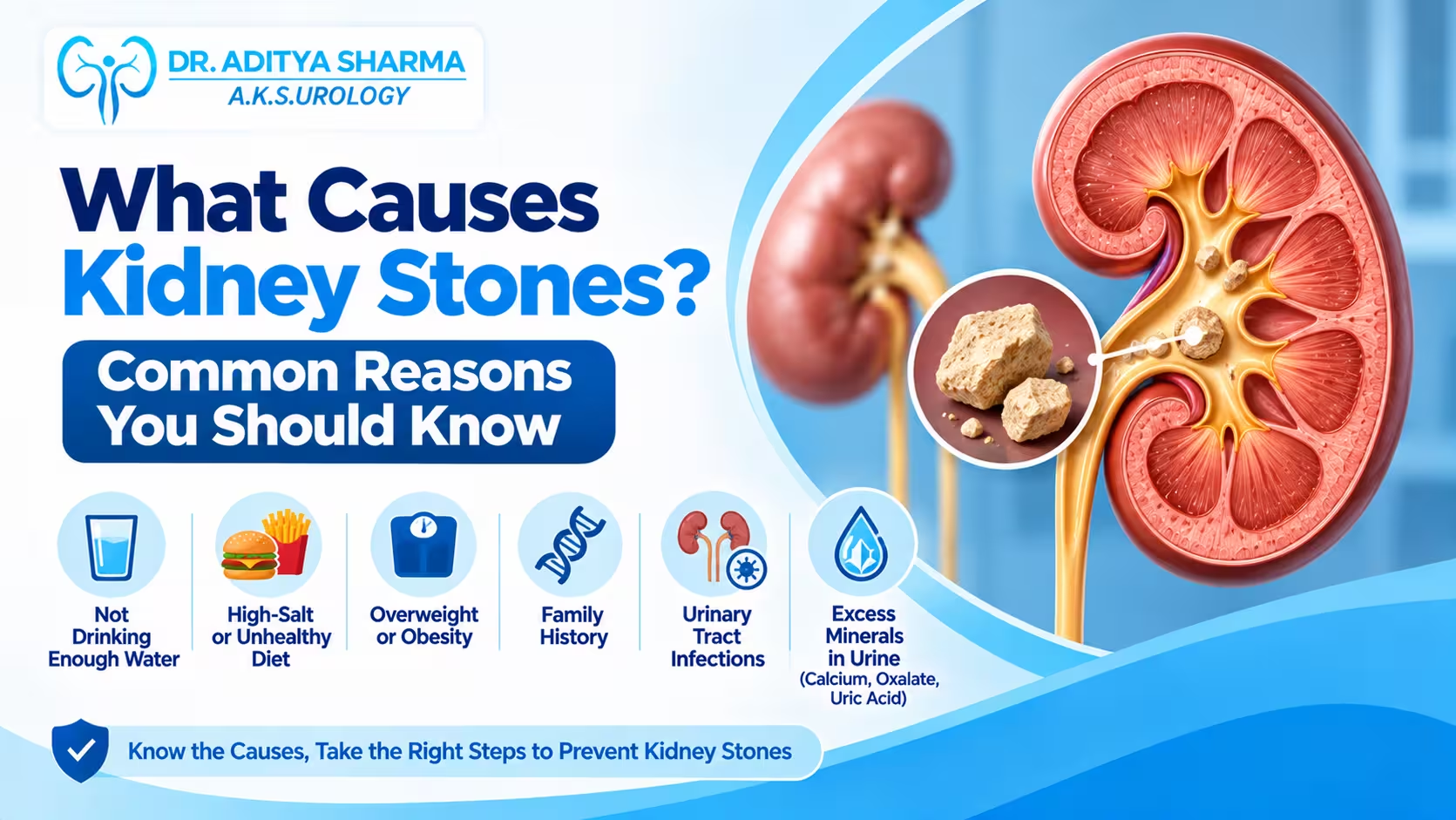
Kidney stones form when waste products in your urine—such as calcium, oxalate, and uric acid—become too concentrated because there is not enough liquid to dilute them. These minerals crystallize and stick together inside the kidneys to form solid masses.
What Are Kidney Stones?
The body eliminates waste products and excess minerals in urine. Normally, the waste products remain dissolved in urine and exit the body with the urine.
However, when the urine becomes too concentrated in minerals and is low in water content, crystals will begin to develop in the kidneys. With time, such crystals will clump together and form hard kidney stones.
It should be noted that there are different types of kidney stones. For instance, some of them are composed of calcium and oxalate, while other ones include uric acid or develop as a result of urinary infection.
What Causes Kidney Stones?
There isn't just one reason behind kidney stone formation. It usually happens when the amount of water, minerals, and other substances in urine gets out of balance. The following factors can increase the chances of developing stones.
1. Not Drinking Enough Water
If there is not enough water consumed, the body will make less urine. As a result, the urine becomes more concentrated, and minerals can combine and create crystals.
The danger might appear when the temperature is high, particularly for those who sweat a lot or work outside. Regular exercise means replacing the water lost through sweating.
Consumption of water periodically ensures that the urine stays diluted. Those who have suffered from kidney stones before will require drinking water more often.
2. Eating Too Much Salt
A high-salt diet can increase the amount of calcium that passes into urine. When more calcium is present in the urine, the risk of certain kidney stones can also increase.
It is important to note that salt is not just what is added during cooking. Other sources of salt include packaged food items, pickles, papads, instant noodles, sauces, processed foods, and restaurant foods.
Decreasing excess salt intake and eating of packaged foods can be helpful. The required intake of salt and diet modifications might be different according to the kidney stone type.
3. Eating Too Much Animal Protein
The consumption of excessive meat, chicken, fish, and eggs might lead to an increased risk of having certain kidney stones because animal protein increases the level of uric acid and alters the ratio of compounds in the urine that usually protect from stones.
This does not mean that one has to cut off from eating protein altogether, since protein is needed for the body to function properly. However, it is about eating too much protein, especially when one consumes an excessive amount of meat but not enough fruit and vegetables.
Having a proper diet with adequate protein intake is the way to go. Those who suffer from kidney stones might require specific dietary guidance depending on the stone types.
4. Eating Too Many Foods High in Oxalate
Oxalate is a natural substance found in many foods. It can join with calcium in urine and form calcium oxalate stones. These are the most common type of kidney stones.
Some foods that contain higher amounts of oxalate include:
- Spinach
- Beetroot
- Almonds and some other nuts
- Peanuts
- Chocolate
- Wheat bran
Eating these foods does not mean a person will definitely develop kidney stones. The risk depends on several things, including the amount eaten, water intake, calcium intake, and the person's health.
It is also important not to stop eating calcium-rich foods without medical advice. Getting enough calcium from food can actually help reduce the amount of oxalate absorbed by the body.
5. Family History of Kidney Stones
Family history is one of the common risk factors associated with kidney stones. An individual has a high probability of forming stones if there are such cases in the family of a parent, brother, or sister.
This could be attributed to genetic factors that determine how the body processes calcium, oxalate, and other elements. Similar diets and lifestyles of relatives could also cause this condition.
A family history does not mean that a person will necessarily develop kidney stones. Adequate intake of water and following the right diet can prevent it.
6. Obesity and Weight-Related Health Problems
People who are overweight or obese might have an increased risk of having kidney stones. Overweight increases the chances of an imbalance in the chemical content of urine that favors the development of particular types of stones.
Diseases related to being overweight, such as insulin resistance and type 2 diabetes, might change the chemistry of urine and, thus, increase the risk of having uric acid stones in certain individuals.
Exercising and eating healthily to stay at a healthy weight is an effective way of reducing these risks.
7. Certain Medical Conditions
Some health problems can affect the way the kidneys process minerals and remove waste products. This can increase the chance of stone formation.
Conditions linked with a higher risk include:
- Gout: This condition causes uric acid to build up in the body and can increase the risk of uric acid stones.
- Hyperparathyroidism: The body produces too much parathyroid hormone, which can raise calcium levels in the blood and urine.
- Diabetes: Changes in urine chemistry may increase the risk of certain stones.
- Digestive diseases: Conditions such as inflammatory bowel disease can affect the way the body absorbs water and minerals.
- Renal tubular acidosis: This kidney problem affects how the body controls acid levels and can lead to stone formation.
Treating the medical condition and following the right prevention plan may help reduce the risk of more stones.
8. Repeated Urinary Tract Infections
Some urinary tract infections may result in the formation of a unique kidney stone known as a struvite stone. This stone is formed as a result of an alteration in the chemistry of the urine due to infection by certain bacteria.
Not all UTIs result in kidney stones. Nevertheless, recurring UTIs because of some specific bacteria may increase the risk of getting kidney stones. Struvite stones tend to develop very fast and even enlarge before being diagnosed.
Individuals experiencing UTIs frequently should seek medical advice.
9. Certain Medicines and Supplements
Some medicines and supplements increase the levels of stone-forming compounds in urine or alter the composition of urine.
These include high-dose vitamin C supplements, certain forms of antacids containing calcium, and some medicines taken to treat migraines and other medical problems. Certain medications may also result in the formation of crystals in the urinary system.
It is not implied that one should discontinue the use of prescribed medication. Those patients who have formed kidney stones while using their medications regularly should consult their doctor.
Why Women May Develop Kidney Stones
Kidney stones may occur in females at any age. Usually, the causes are similar to those in men; for instance, inadequate hydration, excessive intake of salt, and heredity. Health issues and recurrent UTIs may be among predisposing factors.
Some female patients develop struvite stones because of recurring infections due to particular bacteria. Gastrointestinal and metabolic disorders that influence the absorption of calcium are also among contributing factors.
Pregnancy entails changes in the urinary system in most cases, although it does not mean the development of kidney stones. If a patient develops strong side/back pains, blood in the urine, or a fever during her pregnancy, she should consult her physician instead of presuming that these symptoms are a part of normal pregnancy.
Signs That May Point to a Kidney Stone
Small kidney stones do not usually cause pain. Many stones remain in the kidney without causing any symptoms until discovered incidentally in a routine ultrasound or scan conducted for other purposes. The onset of symptoms usually takes place after a stone is passed out of the kidney and into the ureter, which is the tube responsible for transporting urine to the bladder.
The pain is usually sudden, occurring either in the back or on one side, under the ribs. Pain is usually felt in waves and travels down towards the abdomen and groin areas. Blood in the urine, a burning sensation when urinating, and increased frequency of urination are other common symptoms.
In addition to pain, patients may experience nausea and vomiting. The onset of fever and chills is a serious symptom and requires immediate medical attention because there may be an infection. Patients also require medical assistance if they have difficulty urinating.
Which Foods Can Increase the Risk of Kidney Stones?
There is no single food that causes kidney stones in everyone. The effect of a food depends on the type of stone, the amount eaten, and the person's overall health.
Some foods and eating habits that may raise the risk include:
|
Food or eating habit |
How it may affect the risk |
|
Very salty foods |
Can increase calcium in urine |
|
Large amounts of meat |
May raise uric acid and change urine chemistry |
|
Spinach and beetroot |
Contain oxalate, which can contribute to calcium oxalate stones |
|
Almonds and peanuts |
Contain oxalate |
|
Too much chocolate |
Can add to oxalate intake |
|
Frequent packaged foods |
May contain high amounts of salt |
People who have had stones should not remove entire food groups from their diet without advice. For example, avoiding all calcium-rich foods can actually increase the risk of some calcium oxalate stones. A doctor or dietitian can suggest changes based on the type of stone found.
How Can You Reduce the Risk of Kidney Stones?
Kidney stones may be avoided by altering one's behavior. Appropriate measures may include:
- Drink sufficient water: Drinking adequate water regularly ensures that your urine remains diluted. The quantity required depends on weather, physical activity, and any health condition.
- Avoid unnecessary salt intake: Avoid highly salty processed foods, pickles, papads, and frequent fast food consumption.
- Take a well-balanced diet: Include fruits, vegetables, and a proper quantity of protein in your diet.
- Do not reduce calcium intake without consultation: Appropriate amounts of calcium taken from food sources help in avoiding kidney stones.
- Maintain a healthy body weight: Engage in regular exercise and take balanced meals.
- Take appropriate measures for any other health issue: There may be a need to treat gout, diabetes, hyperparathyroidism, and any other health conditions.
- Repeat kidney stones should undergo examination: If you are suffering from recurrent kidney stones, a doctor will prescribe further tests to determine the cause of the condition.
Individuals suffering from recurrent kidney stones require a urine test, blood test, and stone analysis. These tests help to determine the source of the kidney stones and prevent their occurrence.
When Should You See a Urologist?
Do not overlook extreme pain on the side or back, blood in the urine, and recurrent pain during urination. These symptoms may be due to the existence of kidney stones, but other disorders of the urinary system can give rise to such symptoms.
Get emergency medical help if there is fever or shivering along with suspicion of kidney stones, extreme pain that does not subside, recurrent vomiting, and difficulty in urination. The presence of kidney stones that obstruct the passage of urine, along with infections, can become dangerous.
A urologist may suggest a urine test, blood test, ultrasonography, or CT scan. The type of test will depend on the symptoms and general health condition of the patient.
Why Choose Dr. Aditya K. Sharma for Kidney Stone Treatment in Lucknow?
If you have been diagnosed with a kidney stone or experience recurrent stone-related symptoms, identifying the stone's size, location, composition, and possible underlying causes is important for selecting an appropriate treatment and prevention strategy.
Dr. Aditya K. Sharma, Urologist in Lucknow, Urologist & Kidney Transplant Specialist, provides evaluation and treatment for kidney stone and other urological conditions.
Depending on the stone's size, location and clinical findings, treatment may range from observation and medical management to minimally invasive procedures. Appropriate evaluation can help determine whether active stone removal is necessary.
Related Treatments
- RIRS Surgery
- Laser URSL Surgery
- PCNL Surgery
- Mini PCNL Surgery
- Mini Perc Surgery
- Supine PCNL Surgery
Related Articles
- Enlarged Prostate Symptoms: What Are the Early Warning Signs?
- Why Am I Urinating Frequently but Only Passing a Small Amount?
- What Causes Erectile Dysfunction in Young Men?
- Can Low Sperm Count Be Increased Naturally?
- Blood in Urine but No Pain: What Could Be the Cause?
Conclusion
Kidney stones often form when urine becomes too concentrated or contains more stone-forming minerals than the body can keep dissolved. Low water intake, too much salt, certain food habits, family history, and medical conditions can all add to the risk. Finding the reason behind stone formation matters, especially when stones keep coming back. Consult Dr. Adittya K. Sharma, who has over 20 years of experience
Frequently Asked Questions
1. What is the primary reason for getting kidney stones?
One of the most common reasons for the condition is insufficient fluid intake that leads to the increased concentration of urine and allows minerals to crystallize and form stones. However, a salt-rich diet, certain foods, diseases, and heredity can lead to the development of stones as well.
2. What are the causes of getting kidney stones?
They occur due to the crystallization of minerals and other products of metabolism in the urine. The causes can be various: low water intake, urine composition, certain diets, genetic predisposition, etc.
3. Is it possible to have kidney stones from food consumption?
It depends on the type of stones. Some kinds of foods can lead to the development of stones for certain types of patients; nevertheless, there is no such universal food product that causes kidney stones.
4. What factors trigger the formation of kidney stones in females?
Many causes may trigger the development of stones among females, including inadequate fluid intake, high sodium intake, family history, medical conditions, and urinary chemical changes. Infections associated with certain bacteria may lead to the formation of struvite stones.
5. Can kidney stones dissolve naturally?
Small-sized stones may dissolve naturally in urine without surgery, while larger stones may get lodged and create problems for urination. The answer to this question may depend on the size and position of the kidney stones.
6. Does the recurrence of kidney stones occur after treatment?
Yes. One can experience the formation of another stone after experiencing previous stones, even if these stones were treated before. It is important to identify the cause of the previous stones and to follow the necessary prevention strategy.