
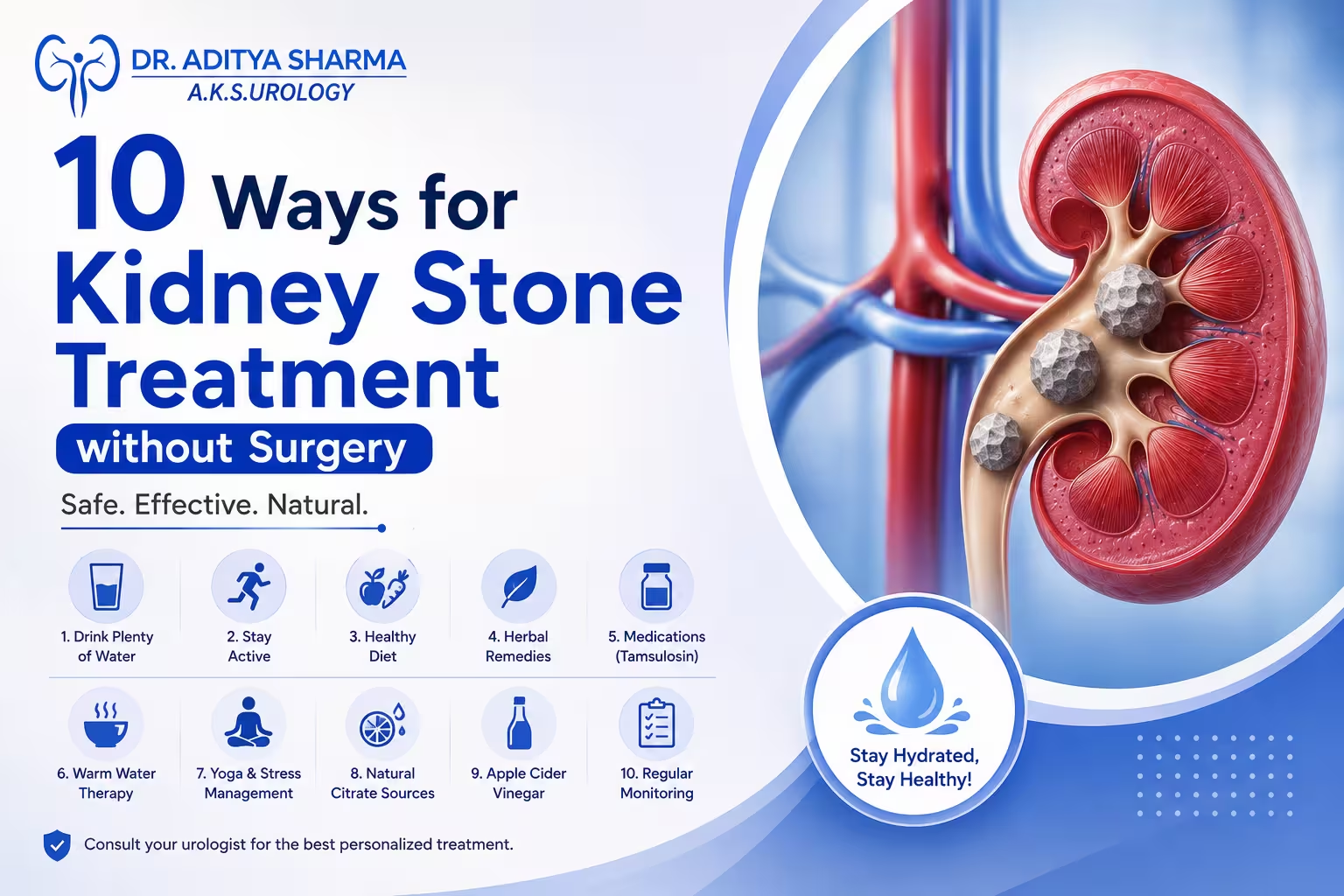
It is a common belief among many individuals that all forms of kidney stones require surgery, yet this is not always the case. The truth is that surgery is not the only solution when dealing with kidney stones, especially those that are small in size, do not cause severe obstruction, and whose kidneys function properly. The type of stone will determine the method to be used, which can range from medications, procedures, hydration, and changes in lifestyle to enable the passage of the stone. This article discusses the 10 most effective ways of handling kidney stones without surgery.
Can Kidney Stones Be Treated Without Surgery?
Yes, kidney stones do have the ability to move out without any surgical intervention. The stones that are less than 5 mm can easily come out, and even those that are 5–10 mm in size can be expelled from the body by using medication under the right medical care.
But treatment varies according to:
- Size of stone
- Location of the stone
- Pain intensity
- Infection
- Functioning of the kidneys
If the stone is big enough to block the urine, then surgical intervention will be required.
1. Drink Plenty of Water
The most basic form of assistance in dealing with the condition of kidney stones, without any invasive procedure, can be gained by maintaining proper hydration.
Proper hydration will help:
- Promote increased urine output
- Eliminate smaller stones
- Prevent the formation of new stones
It is recommended that an individual consume enough fluid to generate around 2 to 2.5 liters of urine per day.
Suffering from Kidney or Urinary Problems? Get Expert Care Today
Don’t ignore symptoms like pain, difficulty in urination, or recurring infections. Early treatment ensures faster recovery and better outcomes.
2. Take Prescribed Medicines
Doctors may prescribe medications that help small stones pass more easily.
These medicines can:
- Relax the ureter
- Reduce pain
- Improve stone passage
- Decrease urinary discomfort
Do not take medicines without consulting a healthcare professional.
3. Manage Pain Properly
Kidney stones can cause severe pain as they move through the urinary tract.
Your doctor may recommend pain-relieving medicines so you remain comfortable while waiting for the stone to pass naturally.
Timely Treatment Can Prevent Serious Complications
Advanced minimally invasive procedures help you recover faster with less pain and better results. Consult an experienced urologist today.
4. Follow the Right Diet
Diet is crucial for the non-surgical treatment of kidney stones.
According to the kind of stone, your physician may recommend that you:
- Reduce salt intake
- Limit sugary drinks
- Eat moderate amounts of animal protein
- Maintain normal calcium intake
- Increase fruits and vegetables
Suggestions regarding diet may vary according to the nature of the stone.
5. Limit Foods High in Oxalate
For calcium oxalate stones, reducing foods rich in oxalate may lower the risk of future stones.
Examples include:
- Spinach
- Beetroot
- Chocolate
- Nuts
- Tea
This does not mean these foods must be completely avoided. A balanced diet is usually the best approach.
16,000+ Successful Surgeries. Trusted Urology Care
Get accurate diagnosis and advanced treatment for kidney stones, prostate issues, and urological conditions.
6. Try Medical Expulsive Therapy
Medical expulsive therapy uses prescription medicines to help relax the muscles of the ureter.
This can:
- Improve stone passage
- Reduce pain episodes
- Lower the need for surgery in selected patients
It is commonly recommended for appropriately selected patients with small ureteric stones.
7. Shock Wave Lithotripsy (ESWL)
Though many believe it is a surgical procedure, it is actually a non-surgical procedure. Lithotripsy (ESWL) really is an alternative to surgery for kidney stones.
It utilizes sound waves to cut up the stones into pieces, allowing them to flow through urine naturally.
ESWL is usually recommended when:
- The stone is too big to be able to move naturally
- A single dose of medicine is unlikely to be able to assist
- There isn't an obstruction to the urinary tract that is severe.
Suffering from Kidney or Urinary Problems? Get Expert Care Today
Don’t ignore symptoms like pain, difficulty in urination, or recurring infections. Early treatment ensures faster recovery and better outcomes.
8. Stay Physically Active
A gentle physical activity like walking could help tiny stones pass through the urinary tract.
Your activity must always be determined by the level of pain you are experiencing and your physician's recommendation.
Avoid vigorous exercise if you are suffering from severe discomfort or fever.
9. Prevent Future Stone Formation
Preventing recurrence is just as important as removing the current stone.
Helpful measures include:
- Drinking enough water every day
- Maintaining a healthy weight
- Controlling diabetes and blood pressure
- Following a stone-specific diet
- Taking prescribed preventive medicines if needed
Many people develop another stone within a few years if preventive steps are not followed.
Timely Treatment Can Prevent Serious Complications
Advanced minimally invasive procedures help you recover faster with less pain and better results. Consult an experienced urologist today.
10. Regular Follow-up With a Urologist
Even if your symptoms improve, follow-up imaging may be necessary to confirm that the stone has passed completely.
Your doctor may recommend:
- Ultrasound
- X-ray
- CT scan (when needed)
- Urine and blood tests
Regular monitoring helps detect any remaining stones before they cause complications.
Kidney Stone Removal Leaves
People also look to find "Kidney Stone Removal Leaves". Although some home remedies are a hit, there is no research that suggests herbs or leaves alone can eliminate kidney stones. Anyone suffering from extreme discomfort, or urine with blood, or difficulty in getting rid of urine should seek medical advice rather than relying solely on natural remedies.
16,000+ Successful Surgeries. Trusted Urology Care
Get accurate diagnosis and advanced treatment for kidney stones, prostate issues, and urological conditions.
When Is Surgery Necessary?
Although many stones can be treated without surgery, medical intervention may be required if:
- The stone is larger than 10 mm
- Severe pain does not improve
- Urine flow is blocked
- Infection develops
- Kidney function is affected
- The stone does not pass after several weeks
Modern minimally invasive procedures can remove stones safely with faster recovery than traditional surgery.
Conclusion
Kidney stone removal without surgery is attainable for a lot of patients, especially in cases where stones are small and are detected early. Being hydrated as well as taking prescribed medication, eating a balanced diet, and regular medical examinations can assist in achieving kidney stone removal with no surgery in certain cases. However, chronic discomfort, infection, or bigger stones should never be overlooked. With more than 20 years of expertise in advanced urology and minimally invasive surgeries and urology, Dr. Aditya K. Sharma is a proponent of early examination for anyone who has symptoms of kidney stones because timely treatment is often able to prevent complications and minimize the necessity for surgery
Suffering from Kidney or Urinary Problems? Get Expert Care Today
Don’t ignore symptoms like pain, difficulty in urination, or recurring infections. Early treatment ensures faster recovery and better outcomes.