
Varicocele – How It Affects Fertility And When Surgery Is Needed
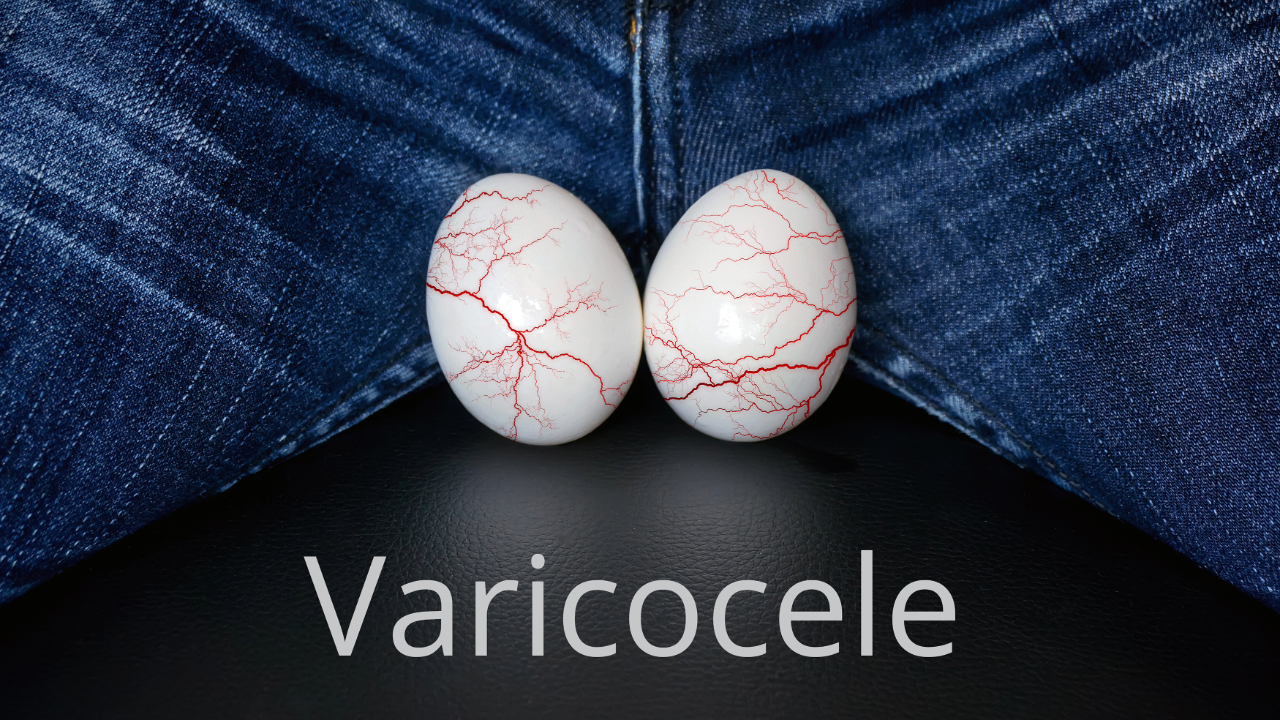
Varicocele is a common condition in men, often described as enlarged veins in the scrotum, similar to varicose veins in the legs. Though it may go unnoticed in many cases, it can impact testicular function and male fertility over time.
Dr. Aditya Sharma, Urologist, explains the causes, symptoms, and treatment options, helping men understand when surgery may be necessary to preserve fertility and overall testicular health.
Understanding Varicocele
Varicocele occurs when the veins inside the scrotum (pampiniform plexus) become enlarged due to malfunctioning valves that normally direct blood flow. This causes blood to pool, leading to increased temperature in the testicles and potential damage to sperm-producing tissues.
It is estimated that 15% of men have varicocele, and it is a contributing factor in about 40% of men with infertility.
Causes Of Varicocele
- Valve malfunction in veins: Weak or damaged valves allow blood to flow backward.
- Anatomical factors: The left testicular vein is more prone due to its angle and drainage into the renal vein.
- Genetic predisposition: Family history can increase the likelihood.
- Lifestyle or physical strain: Heavy lifting or prolonged standing may worsen symptoms.
Varicocele is rarely caused by tumors or blockages, but any sudden onset or asymmetry warrants medical evaluation.
Symptoms Of Varicocele
Many men with varicocele may not notice any symptoms. However, common signs include:
- Dull, aching pain or discomfort in the scrotum, especially after standing or physical activity.
- Visible or palpable enlarged veins — sometimes described as a “bag of worms.”
- Testicular shrinkage (atrophy) — the affected testicle may appear smaller.
- Infertility — difficulty conceiving over time may be the first noticeable symptom.
- Pain and discomfort often worsen toward the end of the day and may improve when lying down.
How Varicocele Affects Fertility
Varicocele can impair fertility through several mechanisms:
- Increased Scrotal Temperature – Heat from pooled blood can affect sperm production.
- Reduced Oxygen Supply – Impaired blood flow reduces oxygen and nutrient delivery to testicular tissue.
- Oxidative Stress – Accumulation of harmful molecules can damage sperm DNA.
- Hormonal Imbalance – Mild disruption in testosterone production can occur.
Dr. Aditya Sharma emphasizes that while not all men with varicocele have fertility issues, it is a major cause of male factor infertility when present.
Diagnosis Of Varicocele
Diagnosis involves a combination of physical examination and imaging:
- Physical Exam: A urologist may feel the scrotum while the patient is standing and performing a Valsalva maneuver (bearing down).
- Scrotal Ultrasound: Confirms enlarged veins and assesses blood flow.
- Semen Analysis: Evaluates sperm count, motility, and morphology to assess fertility impact.
Early diagnosis helps in deciding whether treatment is needed before fertility is affected.
When Surgery Is Recommended
Not all varicoceles require surgery. Treatment decisions depend on symptoms, fertility goals, and testicular health. Surgery may be recommended when:
- Infertility is present – Abnormal semen analysis linked to varicocele.
- Testicular atrophy – Shrinkage of the affected testicle.
- Pain or discomfort – Persistent or worsening scrotal pain.
- Young patients – To prevent long-term testicular damage in adolescents with significant enlargement.
Surgical And Non-Surgical Treatment Options
1. Varicocelectomy (Surgical Repair)
- Open surgery: Small incision to tie off abnormal veins.
- Microsurgical approach: Magnification ensures precise ligation and minimal complications.
- Laparoscopic surgery: Minimally invasive option for selected cases.
2. Percutaneous Embolization
- A non-surgical, catheter-based procedure blocks blood flow to enlarged veins.
- Short recovery time with minimal pain.
3. Conservative Management
- Pain control: Over-the-counter medications for mild discomfort.
- Supportive underwear: Scrotal support reduces strain.
- Monitoring: Regular follow-ups to track testicular growth and semen quality.
Dr. Sharma advises that surgical repair is most beneficial for men seeking fertility improvement, while asymptomatic cases may simply be monitored.
Recovery After Varicocele Surgery
Recovery depends on the procedure:
- Microsurgical or laparoscopic repair: Most men return to normal activity in 1–2 weeks.
- Pain management: Mild soreness is normal and can be controlled with medications.
- Follow-up: Semen analysis is repeated after 3–6 months to evaluate improvement.
Most men experience improved sperm count, motility, and overall fertility after successful surgery.
Preventive Tips And Lifestyle Measures
While varicoceles cannot always be prevented, some measures help reduce discomfort and support testicular health:
- Wear supportive athletic or scrotal underwear
- Avoid prolonged standing or heavy lifting if it causes discomfort
- Maintain a healthy weight and regular exercise
- Avoid excessive heat exposure (hot baths, saunas)
FAQs On Varicocele And Fertility
Q1. Can all varicoceles cause infertility?
No, many men with varicocele have normal fertility. Surgery is considered if fertility is affected or symptoms are severe.
Q2. Is varicocele repair painful?
Minimally invasive procedures are generally well-tolerated, with mild discomfort that resolves in a few days.
Q3. How long after surgery can pregnancy occur?
Improvement in sperm parameters usually takes 3–6 months, after which conception chances increase.
Q4. Can varicocele recur after surgery?
Recurrence is rare, especially with microsurgical techniques.
Q5. Do lifestyle changes improve varicocele?
Supportive measures help reduce discomfort but do not reverse the condition. Surgery is the only definitive treatment.
Expert Fertility Care For Men
Varicocele can impact fertility and quality of life, but timely evaluation and treatment can restore reproductive health and comfort.
Dr. Aditya Sharma, Urologist, specializes in diagnosis, surgical repair, and minimally invasive management of varicocele and male infertility. His patient-focused approach ensures effective treatment while minimizing discomfort and downtime.
Consult Dr. Aditya Sharma Today
Take control of your reproductive health with expert guidance. Early evaluation and treatment can preserve fertility and testicular function, giving men the best chance for a healthy future.
Our Location
Reach out to us now!